Legalese Guide for Renters
Translating the fine print for tenants in need

Vision
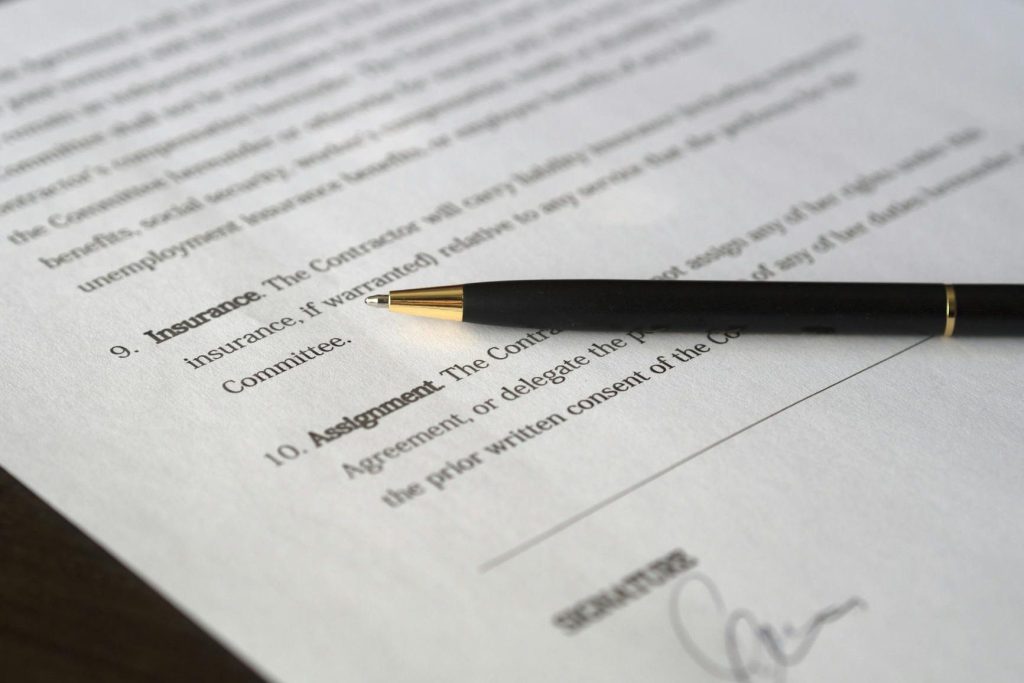
All legal documents are tough for non-lawyers to understand, and contracts are among the hardest. They are formatted in dense blocks of small print, the sentences can be incredibly long, and they use archaic language we don’t come across in daily life.
Yet, where we work, where we live, and what happens to our money are all shaped by the contracts we sign. The cost of not understanding the fine print can be incredibly high; and not only financially.
Contract language isn’t likely to change anytime soon, so how can we help regular people fully understand their leases?
This inspired Translating Legalese: A Guidebook for Renters.
The goal:
- Provide a free resource for people to build fluency in legal English
- Include information on how to rent, tenant’s rights, and free legal resources
- Incorporate universal design principles to make the text as accessible to as many readers as possible
Doers
Undergraduate Applied Linguistics student Erin Clarke created this project as a senior thesis for Portland State University Honors College. Janet Cowal served as her advisor, and the project was also supported by experts from Student Legal Services and the Urban Studies and Planning departments of PSU.
Process
Erin Clarke began by getting permission to use a real, local lease as a source text. Then, drawing on morphology, semantics, syntax, pragmatics, and translation theory, she rewrote each clause to draft a simplified plain English version. This plain English translation would be shown side-by-side with the original, building readers’ confidence in parsing dense legal texts. The new “translated” version of the lease was checked using HemingwayApp to ensure the reading level was an average of 7th grade or lower.
In addition to researching local landlord-tenant law, Erin consulted with a housing lawyer to verify the translation and accompanying information was correct.
Using Canva, she designed the book layout using a smartphone-friendly aspect ratio and dyslexia-friendly font. Content was formatted to be easily readable, using bullet points, spacing, color coding, and other elements of graphic design.
finish line, and Beyond
In addition to the guidebook itself, Erin wrote about the process for publication which you can read here.
Possible uses for the Guidebook:
- Teaching adult English Language Learners how to read English legal documents
- A resource for foster youth aging out of the system, soon to be renting for the first time
- In high schools to prepare graduating seniors for signing rental agreements and college housing contracts
- Guidance for recent immigrants new to renting in the US
- A resource for tenant’s rights organizations
- A resource for housing lawyers to give their clients
And more!
 Activist Applied Linguistics