
Multicultural Garden
Hands-on learning for building multilingual community
vision
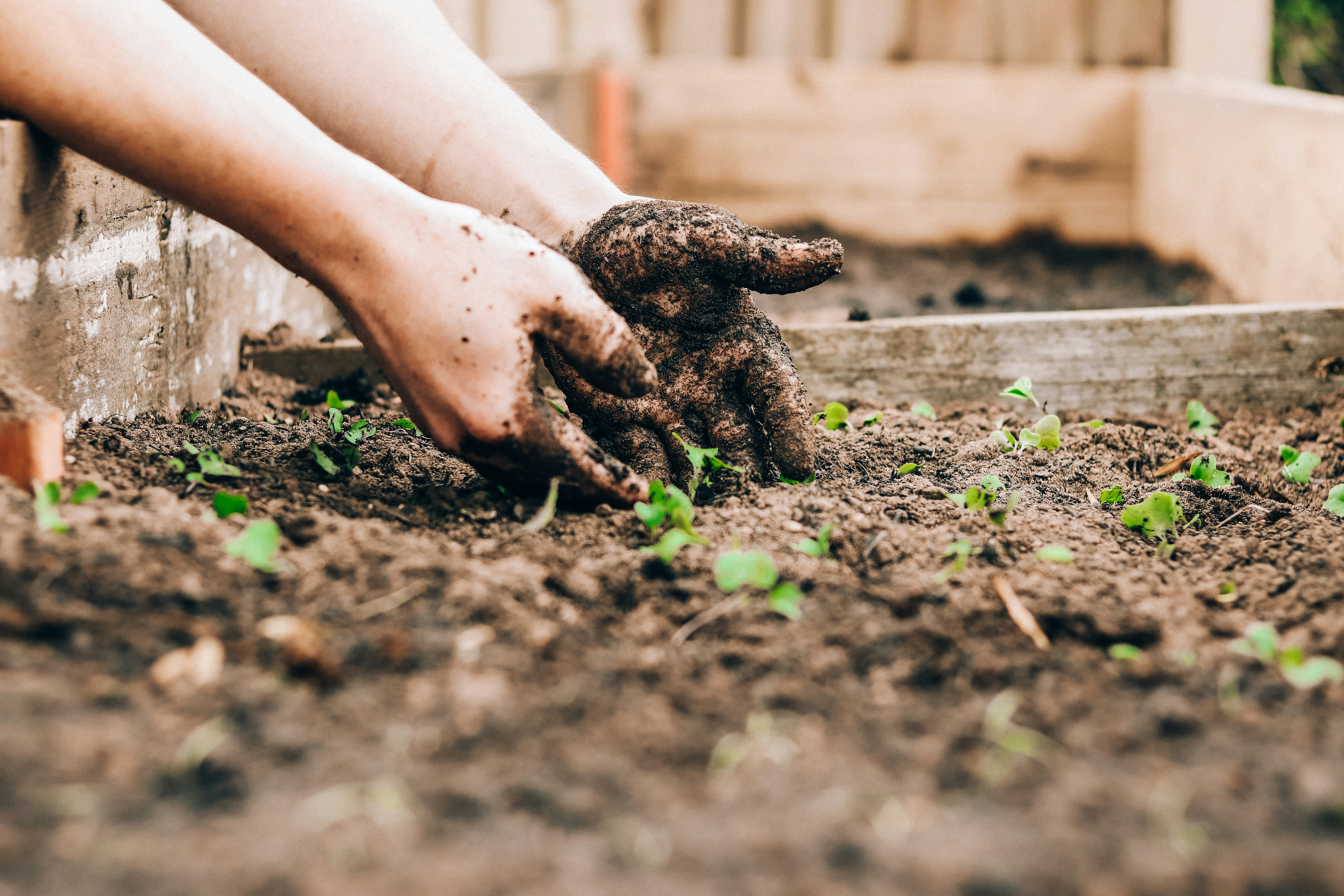
- Give elementary school students access to a fun, engaging, hands-on, multi-sensory learning experience
- Highlight relationships nature, cultures, and languages
- To teach students about food and sustainability
- Increase family participation in school, especially for linguistically and culturally marginalized communities
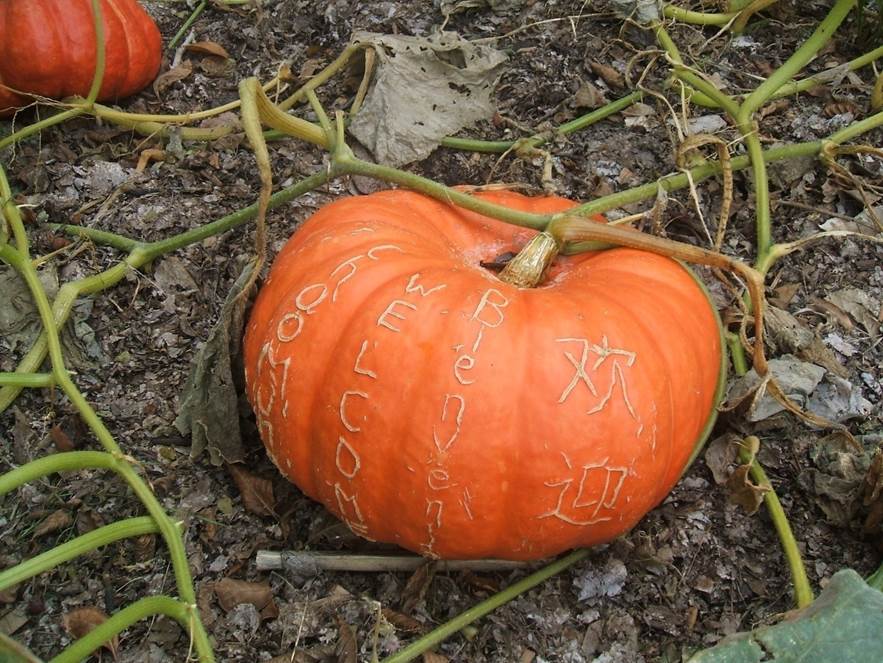
- Create a space that authentically values home languages and knowledge
Doers
This project came from the partnership between Atkinson Elementary School and the Department of Applied Linguistics at Portland State University as an expression of Atkinson’s school mission.
It took a village: Atkinson family volunteers, Atkinson administrators, teachers, staff, and students, neighborhood volunteers, PSU faculty, PSU students from the Applied Linguistics Department, the Intensive English Language Program, and the Graduate School of Education, all working together towards common goals.
Funding
Atkinson’s multicultural garden started in 2005 with seed money from PSU’s Applied Linguistics Department through a grant from Learn and Serve America.
This grant was administered by PSU’s Office of Academic Innovation (formerly Center for Academic Excellence) for the Oregon Civic Solutions initiative on K-12 education and food security.
Process
Before we even broke ground for the garden, we laid a foundation for our partnership.
Atkinson teachers and linguistics faculty from Portland State University met to share their dreams for their students as well as institutional goals, needs, and assets.
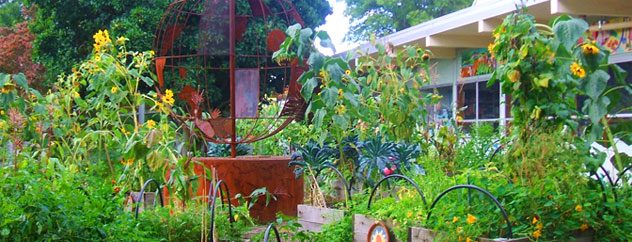
We started out small: a pot for any teacher that wanted one, along with seeds of their choice, placed around a garden sculpture.
Then, we started to dream bigger.
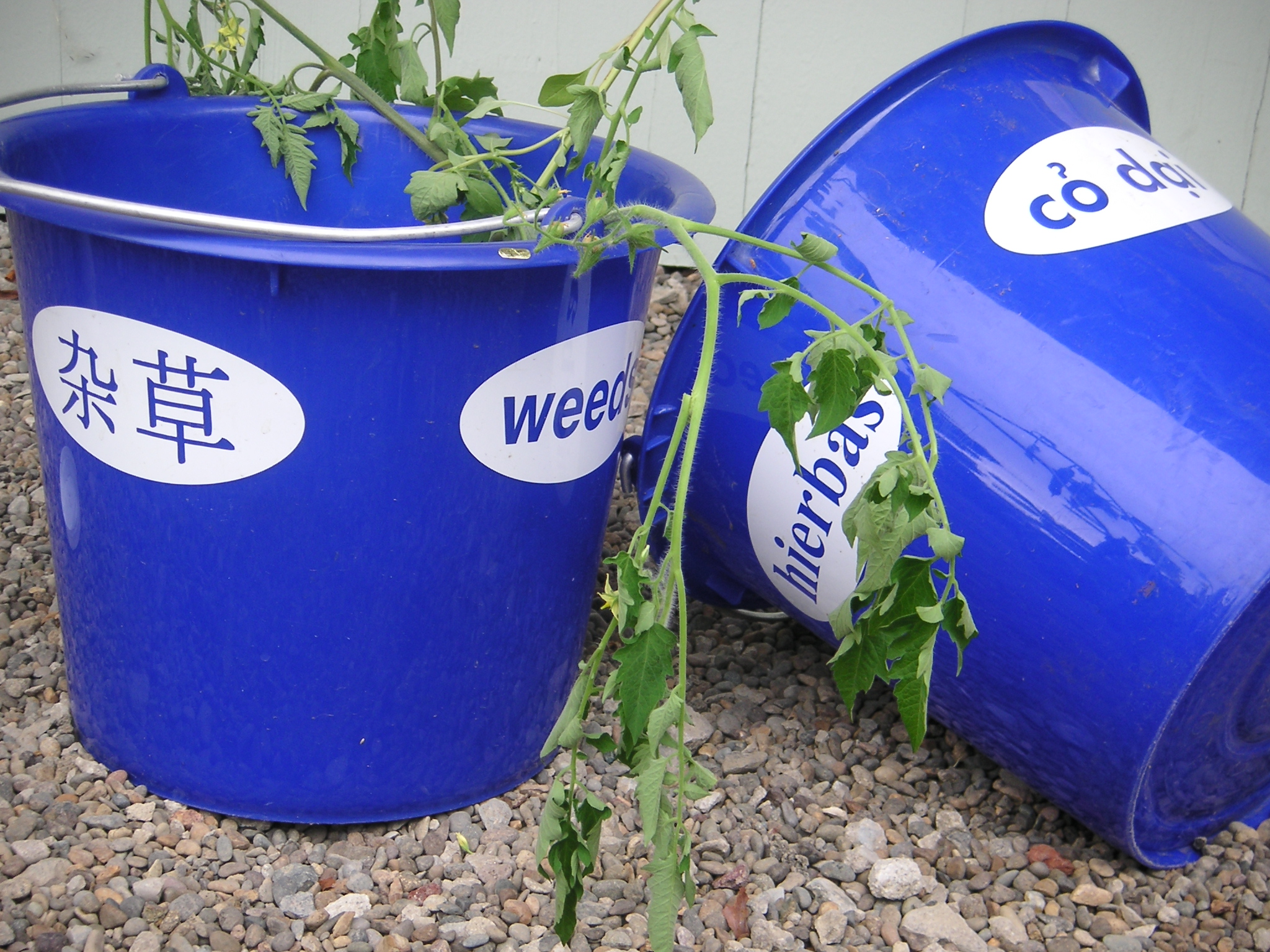
In between the many meetings and emails, we held work parties to get the garden built. We hauled wheel-barrels of dirt and gravel, built garden boxes, planted seeds, and created multilingual signage in the home languages of students. Collaborators shared their invaluable expertise on landscape architecture, project management, construction, environmental science, culture, and language to shape the garden’s design.
Finish line, and beyond
The multicultural garden supports the school in creating a welcoming, inclusive environment that values home knowledge for both dominant and non-dominant communities.
Supporting multi-modal learning
Teachers of all grades use the garden for hands-on experiential learning in science, social studies, math, additional languages, literature, and writing. For example, students apply their math skills to divide garden beds into sections, measure growth of plants, look for fractal patterns in leaves.
good enough to eat!
With the assistance of Atkinson families for whom Spanish is a home language, students planted and harvested a salsa garden. Family volunteers helped students make salsa during class and enjoyed a class party eating the fruits of their labor.
For the school Lunar New Year celebration, students and families harvested greens from the garden and made salad rolls together during class, which were then served at the community event.
Lessons Learned
Key components for creating a school garden:
- Strong relationships among stakeholders grounded in mutual respect and trust
- Compatible goals
- Open (and frequent) communication
- Leadership within the school community
- Funding
- Committed collaborators with patience, persistence, and a sense of humor
Key components for sustaining a garden:
- A committed school community providing leadership
- A garden curriculum closely aligned with state benchmarks with lessons using the garden as a resource
- Funding for at least one part-time paid garden coordinator position. This person organizes volunteers, coordinates lessons with teachers, and is a point person for making sure the garden is being used effectively and efficiently. Sources for garden coordinators include: Americorps, Portland Earth Art & Agriculture Project, PSU Graduate School of Education: Educational Leadership & Policy.
- Volunteers to work with classes in the garden, do regular garden maintenance, fundraising, etc.
- Funding for gardening supplies and refreshments for volunteer work parties
- Ongoing university commitment to support the school community in its endeavors
inspiration Behind it all
Ideas from many disciplines including critical applied linguistics, educational linguistics, and environmental education inform the creation and use of the multicultural garden. These are some of our inspirations:
- Authentically inclusive learning environment (Baker, 2001; Cummins, 2000)
- Orientation of language as resource (Ruiz, 1984)
- Sustainability of language, culture, and environment (Maffi, 2001; Skutnabb-Kangas, 2000)
- Valuing diverse home languages / cultures / knowledges (Cummins, 2000; Freire, 1970; Heath, 1984; Skutnabb-Kangas, 2000)
- Nurturing positive linguistic and social identities in multilingual children (Kubota, 2004; Norton, 2013; Toohey, 2000; Skutnabb-Kangas, 2000)
References and Recommended Reading
Baker, C. (2011). Foundations of Bilingual Education and Bilingualism (5th Ed.) Tonawanda, NY: Multilingual Matters.
Cress, Collier, Reitenauer and Associates (2005). Learning through serving. Sterling, VA: Stylus.
Cummins, J. (2000). Language, Power, and Pedagogy: Bilingual Children in the Crossfire. Clevedon: Multilingual Matters.
Freire, P. (1970). Pedagogy of the Oppressed. New York: Seabury Press/Continum
Kubota, R. (2004). Critical multiculturalism and second language education. In B. Norton & K. Toohey (Eds.), Critical pedagogies and language learning (30-52). New York: Cambridge University Press.
Loeb, P. (2010). Soul of a Citizen: Living with conviction in challenging times. New York: St. Martin’s Griffin
Maffi, L. (2001). On biocultural diversity: linking language, knowledge, and the environment. Washington: Smithsonian Institution Press.
Morgan, B. (1998). The ESL Classroom: Teaching, Critical Practice, and Community Development. University of Toronto Press.
Norton, B. (2013). Identity and Language Learning: Extending the conversation (2nd Ed.). New York: Multilingual Matters.
Pennycook, A. (2001). Critical applied linguistics: a critical introduction. Mahwah, NJ: Lawrence Erlbaum Associates, Inc.
Skutnabb-Kangas, T. (2000). Linguistic Genocide in Education or Worldwide Diversity and Human Rights? Mahwah, NJ: Erlbaum
Toohey, K. (2000). Learning English at School: Identity, social relations and classroom practice. New York: Multilingual Matters.
 Activist Applied Linguistics